


The Perfect Grass Roller: Choice, Uses and Benefits
A lawn roller is a tool for leveling the soil and establishing grass roots. Learn why you should use one, how to choose the right model, and when to use it.
Most Important Information
- Grass rollers help level the soil and establish grass roots, which contributes to healthy lawn growth.
- The best time to roll your lawn is in spring, after the frost has passed and after sowing the seeds to ensure better contact with the soil.
- The choice of roller should take into account its weight, material and appropriate rolling conditions to avoid soil compaction and root damage.
Grass roller – basic information
A lawn roller is a tool used to mechanically level the soil surface and facilitate grass rooting. By compacting and leveling the soil and turf, a lawn roller promotes healthy plant growth. Regular use of a lawn roller supports the grass's rooting process, contributing to better lawn growth and health.
Rolling the lawn creates a more uniform and aesthetically pleasing appearance. Unevenness, which can result from mole activity or heavy use, is effectively removed. This not only improves the lawn's appearance but also makes it easier to maintain.
How does a garden roller work?
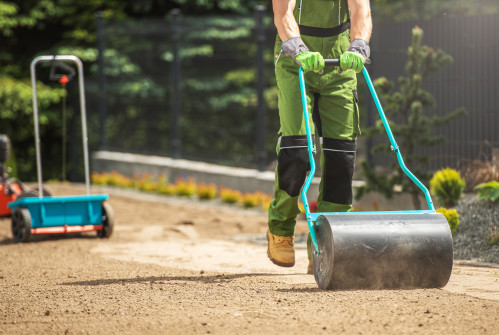
The garden roller works by pressing, allowing the soil structure to be better adapted to the needs of the grass. Even pressure across the entire width of the roller allows for better soil leveling compared to using a board or feet. This process makes the soil more compact and stable, promoting healthy grass growth.
A hand-held garden roller is a tool whose effectiveness depends on the proper weight and rolling technique. The roller's weight affects the pressure applied, which is crucial for achieving the desired results. Rolling should be performed under appropriate conditions to avoid damaging the soil structure.
Types of grass rollers
Lawn rollers can be made from a variety of materials, such as plastic, steel, or stone. Each material has its advantages and disadvantages, which impact the roller's durability and application. For example, a hand-held plastic roller is lighter and easier to maneuver, but less resistant to damage than a steel roller. It's also worth investing in the right equipment to ensure the best results.
There are also specialized spike rollers designed for soil aeration. Aeration involves puncturing the soil to improve its structure and permeability, which promotes better lawn development.
Hand rollers are ideal for small gardens where precision is key.
When to use a grass roller?
The best time to roll your lawn is in spring, once the risk of frost has passed. This is when the grass begins to grow vigorously, promoting its recovery after winter. Rolling your lawn at the beginning of the growing season, before the first mowing, and after sowing the seeds is crucial for achieving a healthy and dense grass cover.
The frequency of rolling should be adapted to weather conditions and the type of lawn. Regular rolling promotes grass rooting and improves its appearance, but rolling too frequently can lead to excessive soil compaction, which hinders air access to the roots.
Rolling the lawn in spring
Spring is the best time to roll because the grass is growing rapidly, which helps it recover from winter. Rolling during this time helps remove air pockets in the soil, promoting better grass rooting. The best times to use a spiked roller are spring and autumn, when the soil is adequately moist.
To avoid damage when rolling your lawn:
- Roll your lawn when the soil is dry.
- Avoid rolling in soil that is too wet as this can lead to soil compaction.
- Soil compaction negatively affects soil structure and lawn health.
Rolling after sowing the seeds
Rolling after sowing significantly improves seed-to-soil contact, which promotes better germination. Immediately after sowing, rolling helps the seeds adhere better to the soil, promoting germination. This process protects the seeds from being displaced by wind or rainfall.
A garden roller effectively levels the surface, allowing seeds to adhere better to the soil. This, in turn, promotes rapid and even seed germination, which is crucial for a thick and healthy lawn.
Choosing the right lawn roller
Choosing the right grass roller should take into account:
- its weight and the material from which it is made
- the possibility of filling the cylinder with various materials, which allows for the adjustment of its weight
- corrosion resistance
- solid axle
- powder-coated surface, which are crucial for the durability of the garden roller.
A well-chosen garden roller is a long-term investment that will bring tangible benefits in the form of a healthy and aesthetically pleasing lawn. It's worth paying attention to the roller's quality and functionality, and also considering its ease of use and effectiveness.
Material of the cylinder
Plastic rollers are the cheapest, but also the least resistant to damage compared to harder steel and stone rollers. Steel rollers are characterized by high damage resistance, making them a suitable choice for more demanding soil conditions.
Despite their high price, stone rollers offer excellent durability and corrosion resistance, making them preferred for challenging terrain. Choosing the right roller material depends on individual needs and garden conditions.
Benefits of using a garden roller
A grass roller is essential for:
- removing irregularities and gaps in the turf, which supports its healthy growth
- eliminating small unevenness caused by molehills or intensive lawn use
- leveling and compacting the ground, which contributes to better plant and grass growth to ensure its optimal development.
Regular use of a lawn roller brings these benefits.
Reducing damage caused by mole activity and repairing damage caused by recreational play are other benefits of using a roller as a device, but thanks to rolling, the lawn becomes more uniform, which affects its aesthetics, health and maintenance, and also minimizes mechanical damage.
Improving the appearance of the lawn
A garden roller is essential for achieving an even and aesthetically pleasing lawn. Regular rolling eliminates unevenness, creating a smooth and aesthetically pleasing surface. An even lawn makes mowing and maintenance easier, which improves the health and aesthetics of your garden and the overall appearance of your lawn.
A garden roller helps smooth the lawn's surface, contributing to the garden's aesthetic appeal. Regular rolling makes the lawn look more attractive and is easier to maintain.
Better grass rooting
The even pressure of a garden roller promotes better grass rooting, which is crucial for healthy growth. Regular use of a garden roller contributes to better grass growth and increases turf density. Rolling improves grass-to-soil contact, which promotes stabilization and growth.
The use of a roller favors:
- better adhesion of the turf to the ground, which supports the healthy development of grass roots
- turf stabilization
- stimulating root development, which improves their adhesion to the substrate
Grass roller and soil aeration
Aeration is the process of puncturing the soil, which helps loosen and aerate it, which benefits plant growth. Soil aeration involves removing lumps of soil, improving air and water access to grass roots, while rolling only flattens the soil, which can lead to further compaction.
Before rolling your lawn, it is worth checking the following:
- The soil should be sufficiently dry to avoid excessive compaction.
- Rolling should be done on slightly moist soil to avoid compaction and structural damage.
- It is important to use the correct roller weight, as incorrect weight can lead to excessive soil compaction, which limits air access to the grass roots.
Heavy rollers can lead to excessive soil compaction, which is particularly problematic in delicate clay soils, especially when fertilized. Heavy rollers rolling can lead to excessive soil compaction, which is particularly problematic in delicate clay soils, especially when fertilized. Heavy rollers rolling can lead to excessive soil compaction, which is particularly problematic in delicate clay soils, especially when fertilized.
Spiked roller for aeration
A spike roller works by driving spikes into the soil, which allows for effective aeration and improves grass growth. Spiked rollers enable soil aeration, which improves soil structure and promotes better grass growth. Using a spike roller is especially recommended for moderately compacted soils, where improving air access to the roots is crucial.
Spiked rollers work by driving spikes into the soil, creating holes in the substrate and improving its permeability. This allows grass roots and plants to have better access to air and water, promoting healthy growth.
The most common mistakes when using a lawn roller
Using a roller that's too heavy can lead to soil compaction, which restricts airflow and can damage grass roots. Rolling the lawn on soil that's too wet can cause the soil to crumble and create ruts, which negatively impacts the health of the lawn. To avoid these errors, it's important to adjust the roller weight to the soil type and roll in appropriate weather conditions.
Remember that regular rolling isn't always necessary. Rolling should be done sparingly and only when absolutely necessary. Overloading the soil can lead to compaction, which limits airflow to the roots and negatively impacts the health of the lawn.
Too heavy a roller
Choosing the right roller weight depends on the soil type and garden size. A roller that's too heavy can lead to soil compaction, which is detrimental to grass growth. Using a roller that's too heavy on delicate soil can damage the soil structure and reduce lawn growth. The most common mistakes when using a lawn roller include rolling too hard, which can damage delicate turf and deteriorate the soil.
Please remember that:
- Even pressure is key to achieving the desired results.
- Too much pressure can damage the grass roots and weaken it.
- It is recommended to use rollers of appropriate weight, adapted to the specific soil in your garden.
Rolling on wet soil
Rolling a lawn in soil that is too wet increases the risk of root damage and causes uneven seed distribution. Wet soil is more susceptible to compaction, which leads to rutting and damage to the soil structure. Rolling in wet soil can also cause the seeds to shift from their seeding location, leading to uneven lawn growth.
To avoid these problems, it is recommended to:
- Roll the lawn when the soil is slightly damp but not waterlogged.
- Rolling on drier soil, which allows for even pressure.
- Avoiding soil structure damage by maintaining proper moisture levels will result in a healthier and more uniform lawn.
Summary
In short, a lawn roller is an essential tool for every gardener who wants a beautiful and healthy lawn. Using a lawn roller correctly, in the right weather conditions and with the right weight, contributes to a better lawn appearance and better grass rooting. It's also important to avoid common mistakes, such as using a roller that's too heavy or rolling in wet soil.
A well-maintained lawn is the showcase of any garden. By regularly rolling the lawn, removing any unevenness, and improving the soil structure, we can enjoy beautiful and healthy turf year-round. Remember to roll the lawn under appropriate conditions and adjust the roller weight to the specific soil type in your garden.
Frequently Asked Questions
The best time to roll your lawn is in spring, after the risk of frost has passed, and in autumn, when the soil is sufficiently moist.
Using a garden roller on wet soil is not recommended, as it can lead to root damage and rutting. It's definitely better to wait until the soil dries out.
Using a garden roller offers benefits such as smoothing out uneven turf and promoting healthy grass growth, improving its appearance and rooting. This tool significantly contributes to the aesthetics and quality of your garden.
When choosing a lawn roller, consider its weight and material, which are crucial for proper use depending on the soil type. Therefore, it's important to match the roller to specific soil conditions and desired durability.
The spiked roller is effective in aerating the soil, improving its structure and promoting grass growth. Its use brings tangible benefits to vegetation.