


What is an aerator? A simple guide for your garden.
What is an aerator? It's a device for puncturing the soil that improves the health of your lawn. Aeration promotes grass growth, aerates the soil, and improves water and nutrient absorption. Read on to learn how an aerator works and the benefits of using one.
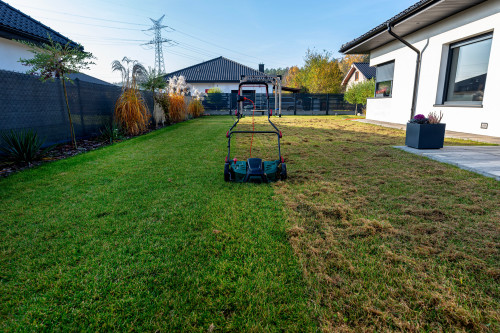
Most Important Information
- An aerator is a device for puncturing the soil that improves the condition of the lawn and supports plant development by increasing access to air and nutrients.
- Aeration should be carried out at least twice a year, preferably in early spring and late summer, ensuring appropriate soil conditions.
- There are various types of aerators available on the market (manual, electric, battery-powered, petrol), which should be appropriately selected for the lawn area and the individual needs of the user.
What is an aerator?
An aerator is a device that pierces and loosens the soil, strengthening the lawn and improving its condition. Aeration makes the lawn more flexible and resistant to damage, which is crucial, especially in heavily used areas.
An aerator stimulates plant growth, aerates the soil, and loosens the substrate, which contributes to better grass growth. The aeration process increases the circulation of air, water, nutrients, soil aeration, and soil growth, which are essential for a healthy lawn.
How does an aerator work?
Lawn aeration involves deeply puncturing the turf with spikes or tubular knives, the purpose of which is to loosen the soil and facilitate access to nutrients. An aerator works by:
- piercing the turf with special tusks, tubes or teeth,
- improving air access to grass roots,
- improving access of nutrients to grass roots and deep aeration, as well as supporting the root system.
The holes created by the aerator range in diameter from 15 to 18 mm, ensuring proper soil penetration and improved water and nutrient uptake. This results in a healthier lawn that is more resilient to adverse conditions.
Benefits of using an aerator
Using an aerator helps:
- loosen and aerate the soil, which promotes healthy grass growth and provides nutrients
- increase the regenerative capacity of the grass, facilitating its regrowth after damage
- effectively eliminate moss and weeds, reducing the need to use chemical herbicides, and also introduce care treatments that will improve the condition of the lawn, which is achieved by using an aerator.
An aerator increases the elasticity of your lawn, which positively impacts its health. Aeration improves the soil's ability to absorb water and nutrients, promoting better grass growth. Regular aeration also improves water and fertilizer penetration, which is crucial for healthy grass growth.
When to aerate your lawn?
For best results, aerate at least twice a year, beginning in early spring and continuing into late summer. For heavily used lawns, aeration should be more frequent.
Aerating at the wrong time, such as during hot weather, can weaken your lawn instead of strengthening it. Aeration is best performed when the soil is slightly moist and the grass is mowed to a height of about 3 cm. It's recommended that the first aeration be performed no sooner than the second year after lawn establishment.
Types of aerators
Manual, electric, battery-powered, and petrol aerators are available on the market, allowing you to tailor your equipment to your varying needs. Choosing the right aerator depends on the size of your lawn and your individual preferences.
Let's take a closer look at each of these types.
Manual aerators
Manual aerators are ideal for small lawn areas and home gardens where plants can grow freely. Scarifiers are eco-friendly and require no electricity, making them more accessible to users with smaller lawns. Regular lawn care is essential to ensure healthy plant growth, and surface aeration is a worthwhile addition to your maintenance plan.
The cost of a hand aerator is around PLN 100, but it is worth remembering that it is only effective on small surfaces, and working with it can be tiring on large areas.
Electric aerators
Electric aerators are typically more effective than manual ones, but they require access to electricity. Electric aerators are generally quiet, making them more convenient to use in residential gardens. An electric aerator is an excellent solution for those seeking efficiency.
They are ideal for medium-sized lawns, offering efficiency over a moderately large area and the flexibility of the lawn on turf and even in the presence of moss, helping to keep lawns in good condition.
Battery-powered aerators
Cordless aerators offer greater freedom of movement than electric models. The lack of a cord allows the user to more easily maneuver the aerator around the garden, which promotes effective aeration.
The operating time of a cordless aerator depends on the state of charge of the battery, which may affect its performance and operating time, as well as the relationship between these factors.
Combustion aerators
Petrol lawn aerators are powerful and efficient, making them preferred for large lawn areas. Unfortunately, using petrol lawn aerators is associated with significant noise and exhaust emissions.
The price of a combustion aerator ranges from PLN 500 to PLN 1,000, which may be an important factor when choosing this type of device.
Aerator parameters
Aerators make holes in the soil 8-10 cm deep, while professional models can reach depths of up to 25 cm. Standard aerator working widths are up to 50 cm, while petrol and electric aerators have working widths of 35-50 cm.
The power range of motors in electric aerators is from 500 to 2000 W, and the weight of aerators varies from 20 to 40 kg, which affects the comfort of use and the type of water drive.
How to prepare your lawn for aeration?
Before aerating, remove all obstacles from the lawn surface, including stones, branches, and other debris. It's also important to water the lawn the day before aerating to facilitate the procedure.
It is recommended to aerate your lawn when the soil is moist but not wet for best results.
How to aerate your lawn step by step
The lawn should be mowed to 3 cm, the grass clippings collected, and the lawn watered. When aerating, the depth of the cuts should be adapted to the soil type; in looser soil, the spacing between holes is 15 cm, and in firmer soil, 10 cm, which is important for the health of the grass and the depth of the soil.
Once you have finished aerating, it is a good idea to rake the lawn to remove any debris, unless you used an electric aerator that collects the debris in a special bag, in the case of lawns.
Common mistakes when aerating your lawn
One of the most common mistakes is aerating in inappropriate weather conditions, which can lead to lawn damage. Aerating a lawn that is too wet can also lead to lawn damage, as the soil becomes too soft and can deteriorate.
Failure to mow the lawn before aerating can prevent the device from reaching the thatch layer, reducing the effectiveness of the treatment. Inappropriate aeration equipment, such as an aerator that is too weak, can lead to ineffective lawn aeration.
Failure to properly care for the lawn after aeration, for example through irrigation and fertilization, accelerates lawn regeneration and may prolong its recovery time.
Summary
Lawn aeration is a key maintenance procedure that significantly improves the condition and appearance of your grass. Regular aeration with the right aerator helps aerate the soil, eliminate moss and weeds, and improve water and nutrient absorption. Whether you choose a manual, electric, battery-powered, or petrol-powered aerator, each device will benefit your lawn.
Remember to follow the recommendations regarding the timing and conditions of aeration and avoid common mistakes. Regular maintenance will keep your lawn healthy, thick, and green all season long. Take care of your gardens, and they will reward you with beautiful appearance and healthy vegetation.
Frequently Asked Questions
Aerate your lawn at least twice a year, preferably in early spring and late summer. This will ensure the best results in terms of grass health and appearance.
For a small garden, the best choice is a manual aerator, which is eco-friendly and requires no electricity. This type of aerator will effectively improve the condition of your lawn.
It is recommended to avoid aeration during hot weather as it may weaken the lawn instead of strengthening it.
The aerator should penetrate the soil to a depth of 8-10 cm, while professional models can reach a depth of up to 25 cm.
The most common mistakes when aerating a lawn include aerating in inappropriate weather conditions, failing to mow beforehand, selecting the wrong equipment, and failing to properly regenerate the lawn after aeration. Avoiding these errors is crucial to the effectiveness of the process.